Timeless Texture: A Designer's Guide to Old Paper Backgrounds
The Visual Character of Aged Parchment
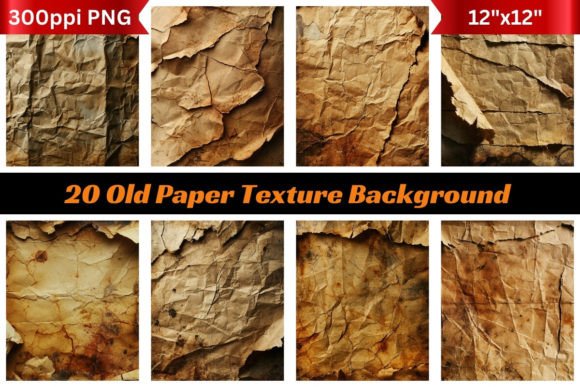
There's a reason we're drawn to old paper. It's not just about the color or the subtle grain; it's about the story it whispers. A collection of 20 Old Paper Texture Backgrounds isn't a single look, but a spectrum of history. You'll find everything from the clean, creamy patina of a well-kept book page to the dramatic, coffee-stained map with frayed, torn edges. The personality is inherently warm, organic, and human. It feels authentic, carrying the subtle imperfections—creases, foxing, uneven aging—that digital perfection often lacks. This style isn't sterile; it's tactile. It adds a layer of depth and narrative before you even place a single line of text, making it a powerful design asset for establishing mood instantly.
The appeal is universal. For a designer, it's a shortcut to a rich, layered background. For a marketer, it's a way to evoke trust and heritage. For a crafter, it's the foundation of a vintage invitation or a scrapbook page. These textures act as a versatile serif font for your background—classic, readable, and full of character. They provide a perfect counterpoint to clean, modern sans serif fonts or elegant script fonts, creating a balanced and engaging visual hierarchy.
Where Old Paper Textures Shine: Practical Applications
The real value of a set like 20 Old Paper Texture Backgrounds lies in its versatility across projects. In editorial design, these textures can transform a standard magazine layout or book cover into something that feels like an artifact. Use a subtle, lightly-creased parchment as a background for a sidebar or pull quote to add visual interest without overwhelming the main content. For packaging design, especially for artisanal goods, whiskey labels, or gourmet foods, an aged paper texture communicates craftsmanship and tradition far more effectively than a flat, digital color.
In the digital realm, they are a secret weapon for brand identity and web design. A website header or a social media graphic using one of these textures can stop the scroll. It creates a memorable, premium font-like backdrop that makes typography pop. Imagine a logo design for a historic pub or a boutique stationer—the old paper texture can be integrated directly, making the brand feel established and rooted. For social media graphics, these backgrounds add a layer of sophistication and visual weight that helps posts stand out in a fast-moving feed, increasing engagement and shareability.
Choosing and Pairing Your Texture
Not all aged papers are equal for every task. The first step is to evaluate the texture's intensity. A very dark, heavily stained texture might be perfect for a dramatic poster or a Halloween-themed design but could reduce readability for body text on a website. Conversely, a light, uniform parchment with a subtle grain works beautifully as a background for longer text passages or as a layer under a photograph in a collage.
Testing is crucial. Before committing, overlay your chosen typography. How does a bold, modern display font look against a torn-edge map texture? Does your elegant handwritten font remain legible? The best pairings often create contrast: a clean, geometric sans serif font on a rough, fibrous paper, or a delicate script font on a smoother, aged vellum. This contrast is key to effective visual hierarchy.
When downloading, look for high-resolution files. A 300 DPI JPEG or PNG ensures the texture looks crisp in print projects and scales well for digital use. Check the licensing if you plan to use these backgrounds in commercial products for sale, like printed planners or digital templates. A good collection will specify these details, allowing you to use the assets confidently in your professional work, whether you're a freelance designer creating for clients or a small business owner developing your own brand identity materials.
Beyond the Obvious: Creative Uses
Think beyond the background layer. These textures can be used as masks or overlays to "age" other elements. Apply an old paper texture to a modern photo using a blending mode like "Multiply" or "Overlay" to give it an instant vintage filter. Use a torn paper texture as a clipping mask for an image, creating the effect of a photograph pasted into a scrapbook. In video editing or motion graphics, a sequence of these textures can be used as transitions or title cards, adding a tactile, cinematic quality to your project.
Ultimately, 20 Old Paper Texture Backgrounds are more than just a set of images. They are a toolkit for storytelling. They allow you to inject a sense of history, authenticity, and warmth into your digital creations. In a world saturated with sleek, digital surfaces, this touch of analog imperfection is what can make your work feel genuine, relatable, and deeply engaging. It’s about using modern typography